

Introduction
In 2025, the most valuable asset a company owns might not be its physical factory, but the Digital Twin that mirrors it. This technology has evolved from simple 3D models into living, breathing data ecosystems that allow us to simulate the future before it happens.
Why it matters in 2025
Digital Twins—virtual replicas of physical systems updated with real-time data—have reached a tipping point. In 2025, they are the “connective tissue” between the Internet of Things (IoT) and Artificial Intelligence. This matters today because the world has become too complex to manage with spreadsheets and manual oversight. Whether it’s a global supply chain, a 100-story skyscraper, or a human heart, we now have the sensor density and compute power to create a “perfect mirror” of reality.
The primary driver in 2025 is Sustainability. Under new global regulations like the EU’s Corporate Sustainability Reporting Directive (CSRD), companies must prove their carbon footprint with granular accuracy. A Digital Twin allows a manufacturer to see exactly how much energy every machine is consuming and simulate “what-if” scenarios to reduce waste. For example, they can virtually “test” a new recycled material in their production line to see if it causes a bottleneck before they ever buy a single pound of it.
Furthermore, Digital Twins are the key to Resilience. In an era of unpredictable climate events and geopolitical shifts, companies use twins to stress-test their operations. A city planner in 2025 doesn’t just “hope” a new drainage system works; they run a massive flood simulation on the city’s Digital Twin, using real-time weather data to see exactly which streets will go underwater.
Finally, the ROI of Digital Twins has become undeniable. Enterprises using twins in 2025 report an average 15-25% gain in operational efficiency and a 30% reduction in maintenance costs. By using AI to analyze the data from a twin, a company can move from “Reactive Maintenance” (fixing it when it breaks) to “Predictive Maintenance” (fixing it because the twin showed a 98% probability of failure in the next 48 hours). This transition from “guessing” to “knowing” is what separates the leaders of 2025 from the laggards.
Key Trends & Points
- Real-time Synchronization: Data from IoT sensors updating the digital model in milliseconds.
- Predictive Maintenance 2.0: AI-driven twins that “foresee” mechanical failures months in advance.
- Smart City Integration: Modeling traffic, energy, and air quality across entire urban areas (e.g., Singapore).
- Sustainability Modeling: Using twins to hit “Net Zero” targets by optimizing resource flow.
- Human Digital Twins: Virtual models of patients used for personalized medicine and surgery planning.
- Supply Chain Mirrors: Real-time visibility into the location and condition of every pallet globally.
- Generative Design Integration: AI suggesting physical changes to a factory based on the twin’s performance.
- The “System of Systems”: Interconnecting different twins (e.g., a building twin talking to the power grid twin).
- Edge-Powered Twins: Processing twin data locally to reduce latency and cloud costs.
- High-Fidelity Physics: Simulations that account for gravity, heat, and fluid dynamics with 99.9% accuracy.
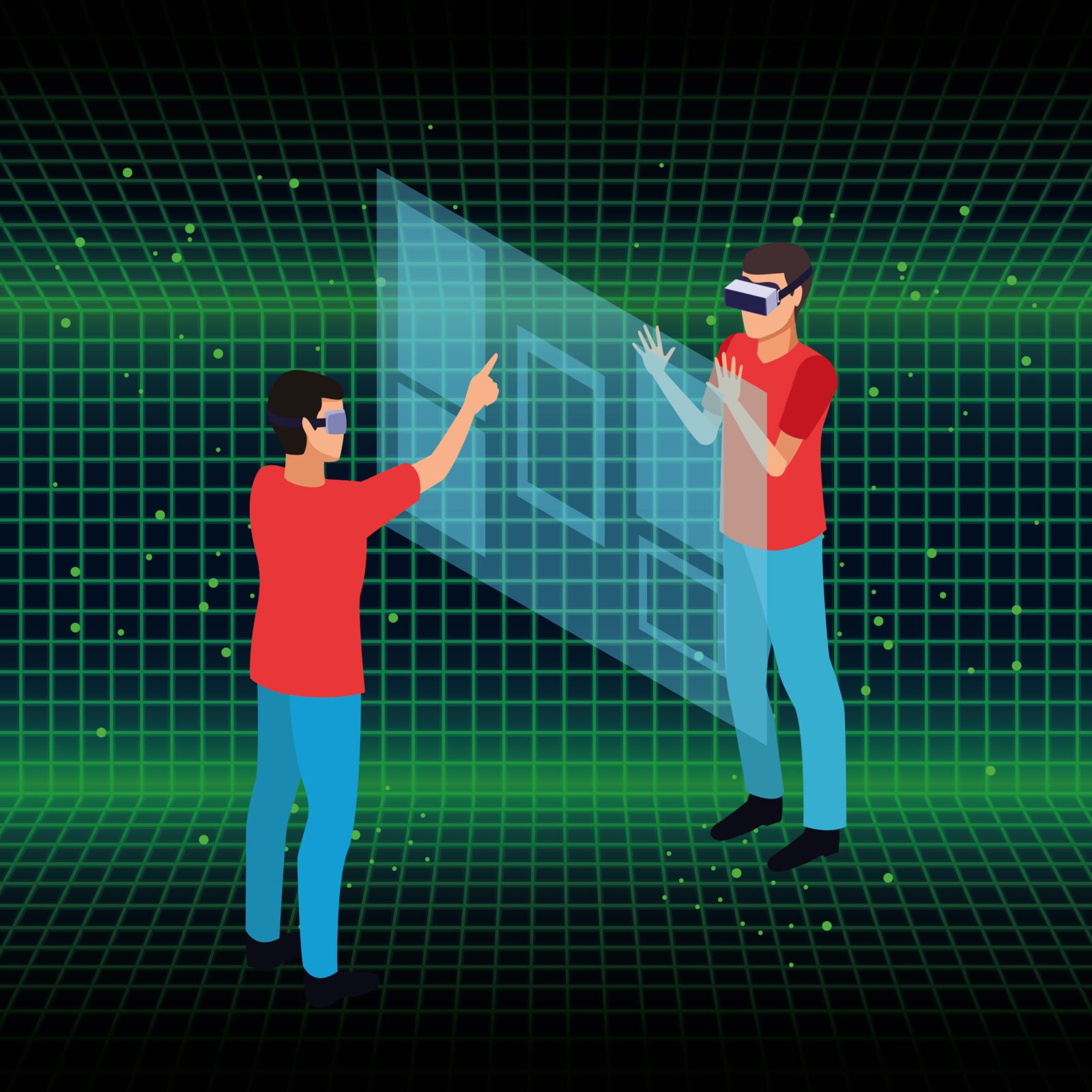
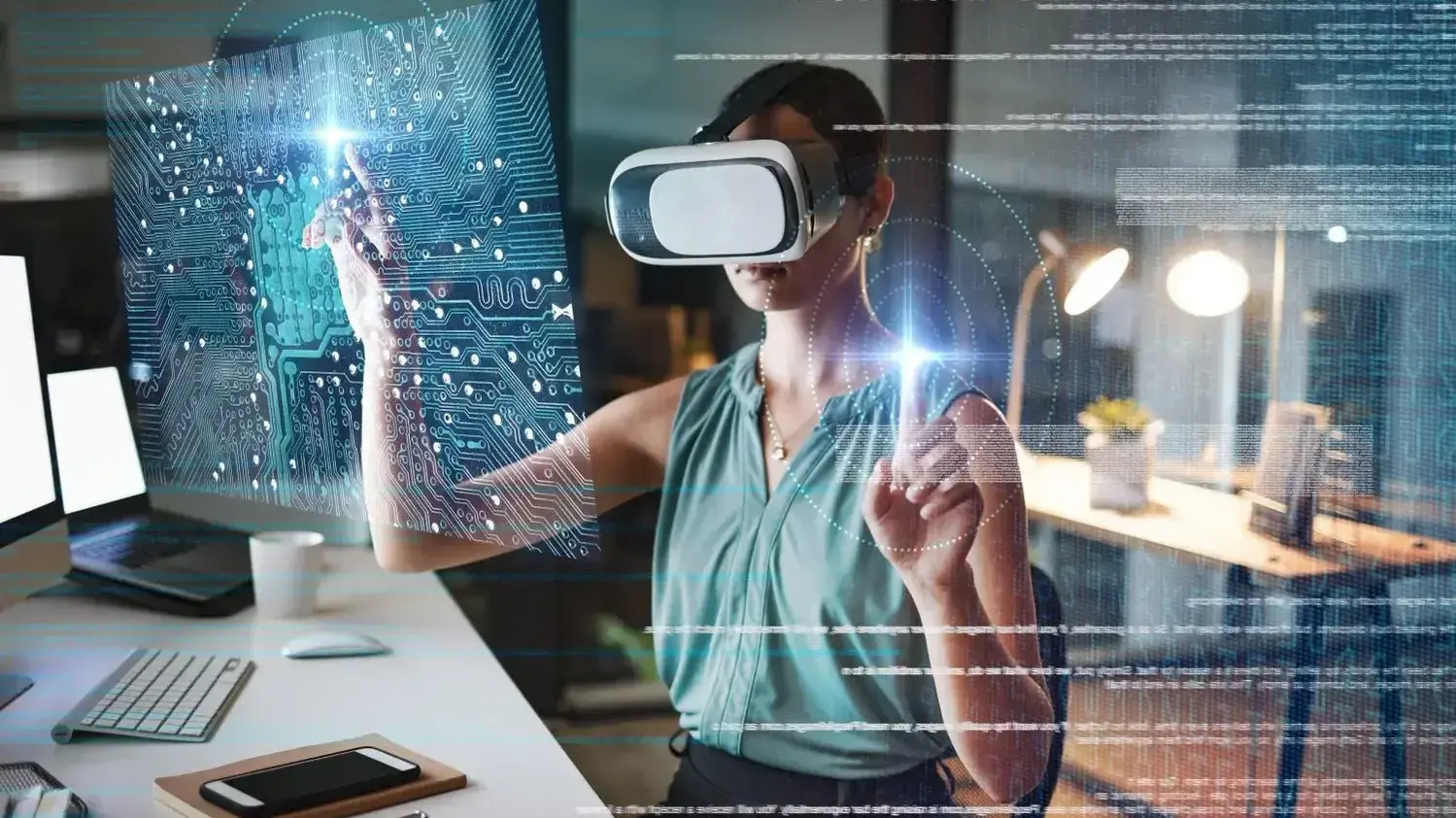
- Collaborative Twins: Multiple teams “walking through” a virtual factory in VR to solve problems.
- Historical Playback: “Rewinding” the twin to see exactly what caused a past failure.
- Sovereign Data Twins: Ensuring sensitive infrastructure twins are hosted on local, secure clouds.
- Product-as-a-Service: Selling the physical product plus its digital twin to the customer.
- AR Maintenance Overlays: Technicians see “inside” a machine via an AR headset linked to the twin.
- Energy Grid Twins: Managing the “ebb and flow” of renewable energy in real-time.
- Digital Ethics: Managing the privacy and security of data used to build twins of people.
- Interoperability Standards: Efforts to make twins from different vendors “talk” to each other (e.g., Digital Twin Consortium).
- Agricultural Twins: Simulating soil health and crop growth to maximize yield with less water.
- Asset Lifecycle Management: From the first blueprint to the final decommissioning, all stored in the twin.
- Automated Compliance: Twins that alert regulators automatically when a safety limit is breached.
- The “Mirror World”: The long-term vision of a 1:1 digital map of the entire planet.
- Insurance Customization: Using twin data to set premiums based on real-time operational risk.
Real-World Examples
One of the most ambitious examples of 2025 is Tata Steel. In their major plants, they have implemented digital twins of their blast furnaces. These furnaces are incredibly complex and dangerous environments where traditional sensors often fail. By using “soft sensors” (AI models) that feed into a digital twin, engineers can monitor the internal temperature and chemical composition in real-time. This has allowed Tata Steel to reduce fuel consumption by 8% and prevent catastrophic “breakouts,” saving millions of dollars and significantly reducing their carbon footprint.
In the realm of urban planning, Singapore’s “Virtual Singapore” project is the global gold standard. It is a 1:1 3D model of the entire country. In 2025, this twin is used for everything from planning the rollout of 5G antennas (simulating signal blockages from buildings) to analyzing wind paths to keep the city cool. When the government plans a new park, they use the twin to simulate how many people will use it and how it will affect the surrounding traffic. This “data-first” urbanism is why Singapore remains one of the most efficient cities on Earth.
In manufacturing, Tesla famously creates a digital twin for every single car it produces. If a car in Norway experiences a battery glitch, Tesla’s engineers can pull up the digital twin of that specific vehicle to see its entire history and current sensor readings. They can then test a software fix on the twin before pushing an “over-the-air” update to the physical car. This loop between reality and simulation is why Tesla can iterate and fix problems faster than any traditional car company.
Finally, in healthcare, the Living Heart Project by Dassault Systèmes is using digital twins to revolutionize cardiac care. Surgeons can now take a 3D scan of a patient’s unique heart, create a digital twin of it, and “practice” a complex surgery in a virtual environment. They can see how the patient’s specific anatomy will react to a new valve or a pacemaker before the first incision is ever made. This is moving healthcare from “one-size-fits-all” to “personalized precision.”
What to Expect Next
By 2026, we will see the rise of “Autonomous Twins.” These aren’t just dashboards for humans to look at; they are twins that have the authority to act. If a digital twin of a water treatment plant predicts a chemical imbalance, it will autonomously adjust the valves in the physical plant to correct it, only notifying the human supervisor after the fact.
We will also see the emergence of “Consumer Digital Twins.” Imagine having a digital twin of your own home’s energy and plumbing systems on your phone. It would tell you exactly when your dishwasher is about to leak or how to rearrange your furniture to save 15% on your heating bill. This will turn the “Smart Home” from a collection of gadgets into a unified, optimized system.
Finally, the Metaverse and Digital Twins will converge. Instead of the “cartoonish” metaverse of the early 2020s, we will have a “Physical Metaverse” where professionals use spatial computing (like the Apple Vision Pro) to step inside the digital twins of their businesses. A CEO could literally “walk” through their global supply chain, seeing “red lights” over a delayed ship in the Suez Canal and “green lights” over a high-performing factory in Vietnam. The digital twin will no longer be a file on a computer; it will be a world we inhabit.
Conclusion
Digital Twins are the ultimate tool for mastering a complex world. They allow us to fail in the virtual world so we can succeed in the physical one. In 2025, they have moved beyond being a “nice-to-have” technology for engineers and have become a core strategic pillar for any business that cares about efficiency, sustainability, and resilience. As the “mirror world” continues to grow more detailed and more connected, the boundary between what is real and what is digital will continue to blur, leading to a future that is more predictable, more safe, and infinitely more efficient.






Leave a comment